

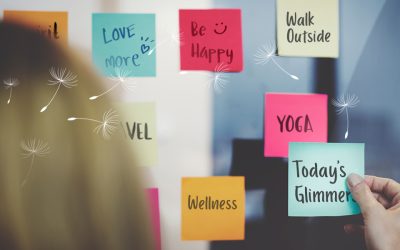
Both in-person and virtual strategies for creating glimmers revolve around inclusive, no-pressure design, fostering genuine social connections, and encouraging practices that bring moments of calm and joy.
Both in-person and virtual strategies for creating glimmers revolve around inclusive, no-pressure design, fostering genuine social connections, and encouraging practices that bring moments of calm and joy.

Rest is not a luxury, but a necessity. It is also not one-size-fits-all. Respecting and addressing unique rest needs can help unlock the full potential of inclusive organizations.

This Disability Pride Month, let’s move beyond performative inclusion and take tangible, actionable steps toward creating neuroinclusive workplaces. Let’s dismantle the barriers that prevent talent from truly flourishing.

Both mental health support and making work more accessible for neurodivergent employees can be achieved by doing less.

Explore the neurodivergent experience across the cultural dimension of masculinity and femininity.

National cultures, along with many other levels of culture, such as ethnic, industry, or organizational, can shape the experience of neurodivergence and impact important occupational and life opportunities.

Developing a habit of providing context in communication can prevent anxiety that stems from ambiguous messages and the resulting impact on well-being and productivity.

All employees can feel workplace joy if organizations support joy crafting – aligning work with our strengths and sources of intrinsic satisfaction, such as creativity or meaning. This win-win approach is essential both for individual well-being and for cultivating a thriving, innovative, and fulfilled workforce.

By including autistic employees, along with nurturing a culture of accountability and open communication, organizations can reduce bystander apathy and create more honest and resilient systems.